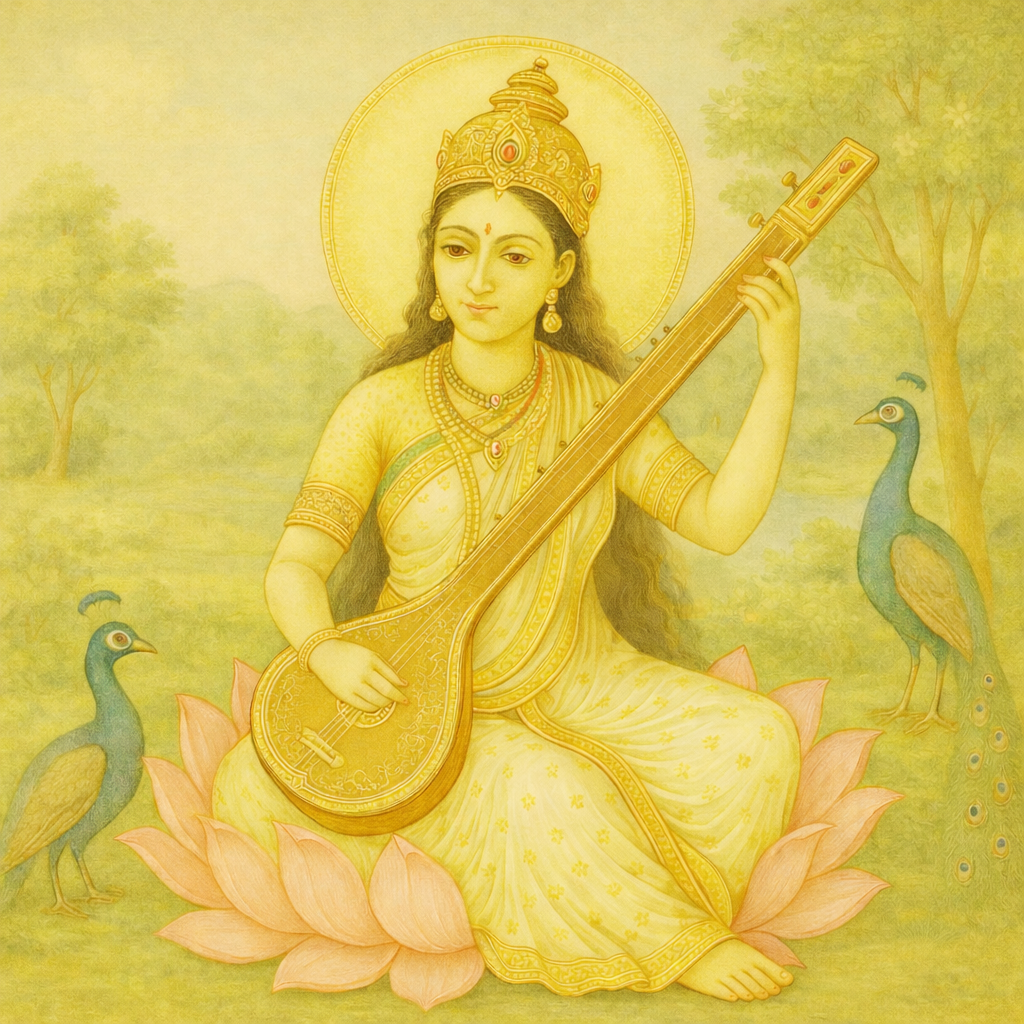
KARTA - कर्ता
The Creator
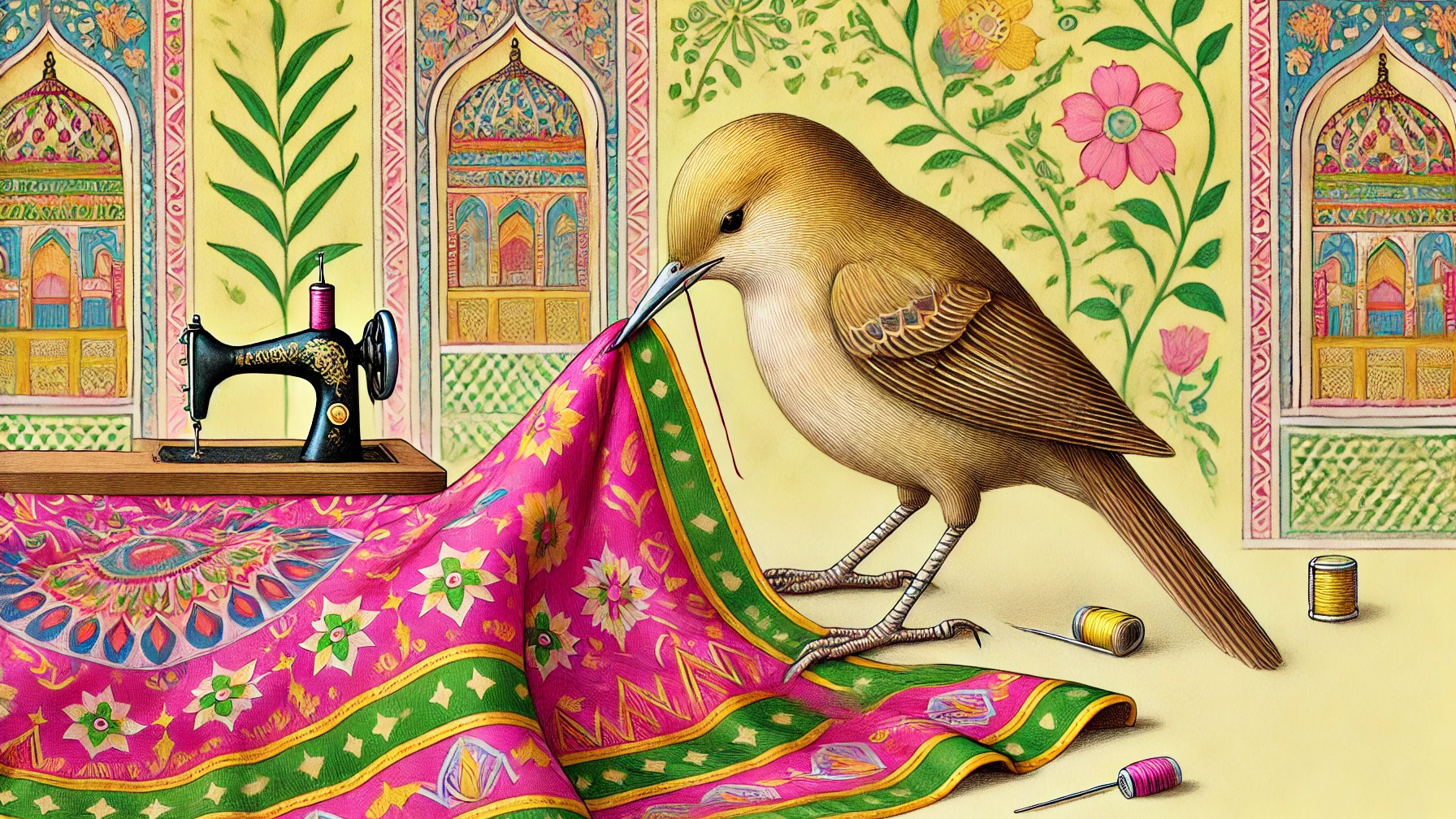
Karta types possess a high degree of imagination and originality, which can make them excellent innovators. They may also be highly sensitive to their environment, and tend to draw inspiration from the world around them to fuel their creativity. They are typically very emotionally sensitive types, and use their emotions to inspire their creative work.
KARTA | Sustainer Group
Sustainers are driven by desire to maintain the economy, and are usually in commerce positions. They possess the drive, ambition, and determination to make money. They tend to be extroverts.
Learn More
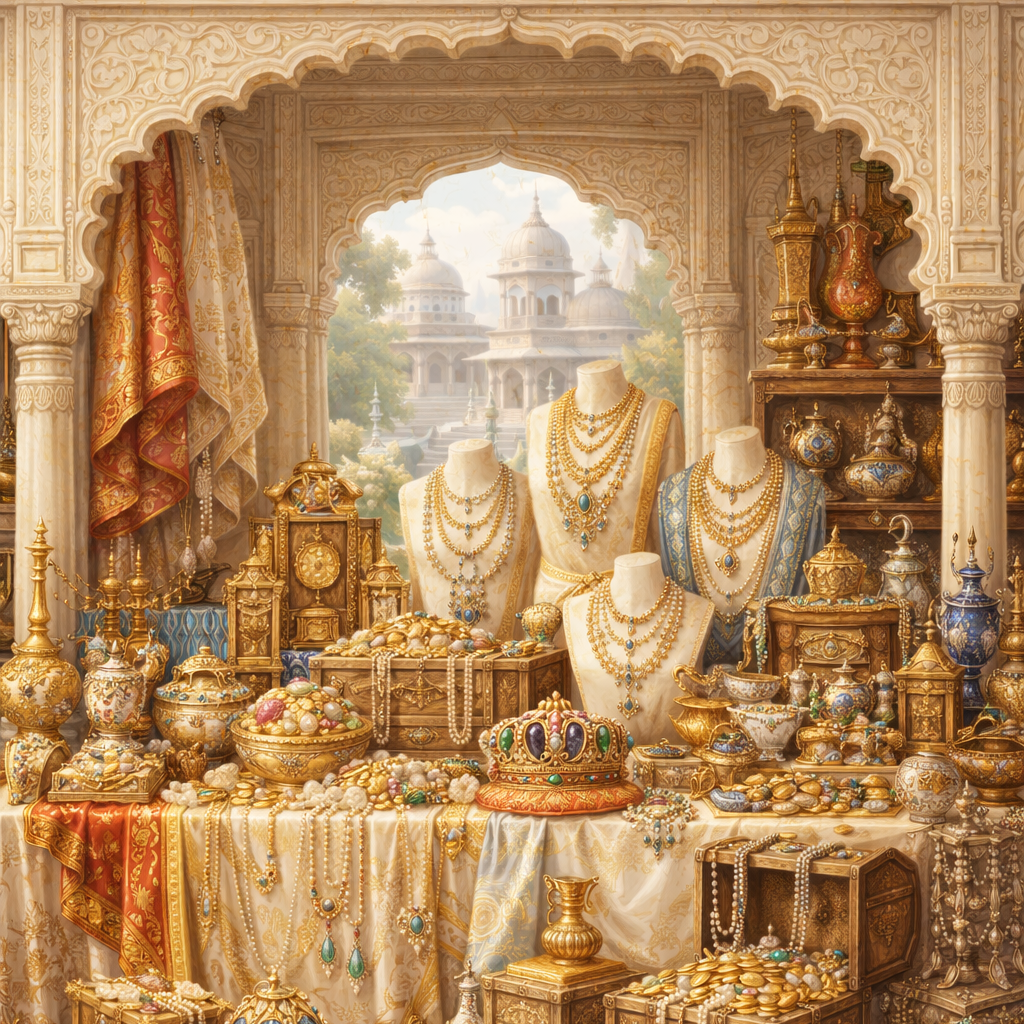
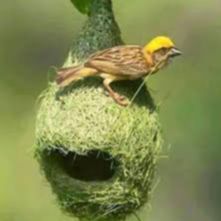
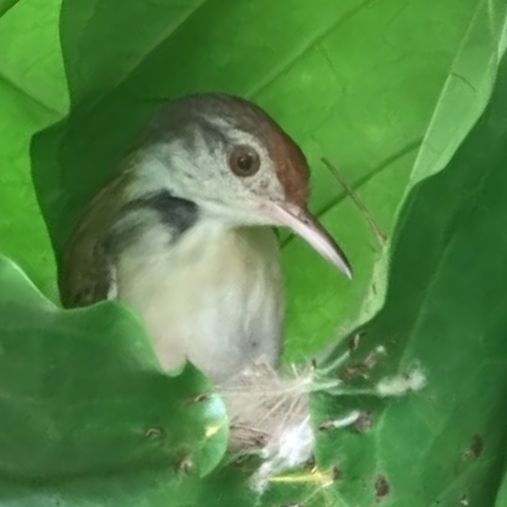
The Tailorbird
The tailorbird is famous for its intricate nest-building technique, where it stitches leaves together using plant fibers or spider silk.
Given the Mughals’ deep appreciation for fine craftsmanship—seen in their architecture (Taj Mahal, Red Fort), textiles, and miniature paintings—the tailorbird was seen as a natural artisan, embodying the values of precision and creativity. The Mughals valued artisanship in textiles, and the tailorbird’s "stitching" of leaves was linked to the empire’s rich tradition of embroidery and weaving.
Therefore, Kartas are represented by the tailorbird because, like a tailorbird, Kartas are very creative, quick, and intelligent.
Creative
One of the most distinctive behaviors of tailorbirds is their ability to sew leaves together to form and conceal their nests. They do this by using their sharp beak to make a series of small holes along the edge of the leaf. Next, the tailorbird takes a long piece of plant fiber or spider silk and passes it through the holes in the leaf. The bird pulls the fiber tight, effectively "sewing" the edges of the leaf together. The tailorbird repeats this process, sewing several leaves together in a row to create a tube-like structure. The creative tailor bird then lines the inside of the nest with soft materials, such as grass, feathers, or fur, to make it cozy and comfortable for its eggs or young. Overall, tailorbirds use a combination of skillful beak work and careful weaving to create their unique nests.
Quick
Tailorbirds are known to be very active and restless, constantly hopping and flitting from branch to branch in search of food. They are known for being agile and quick, with the ability to move rapidly through dense foliage.
Intelligent
Tailorbird’s remarkable ability to sew together their own nests, an impressive form of their problem-solving skills, requires a high level of dexterity and intelligence. They are highly adaptive and resourceful birds that have evolved unique behaviors to survive in their environment and protect their offspring from predators and harsh weather conditions.
Sanskrit Meaning
-
In Sanskrit, the term karta means "doer", "agent", "maker", or "performer".
-
In Hindu philosophy, "karta" can refer to the concept of the doer or the individual self, which is responsible for its actions and their consequences, as per the law of karma.
-
The idea of karta is central to many Hindu religious texts and is often associated with the concept of dharma or righteous action.
-
Additionally, "karta" can also be used in the sense of a person who performs a specific task or function, such as a priest performing a religious ritual, a craftsman making a piece of art, or a teacher.
Karta's Superpowers
Karta types possess a high degree of imagination and originality, which can make them excellent innovators. They may also be highly sensitive to their environment, and tend to draw inspiration from the world around them to fuel their creativity. They are typically very emotionally sensitive types, and use their emotions to inspire their creative work.
Karta in Different States of Mind
The Karta type belongs to the category of Movers and Shakers, who often gravitate toward high-power positions and typically exhibit a rajasic (passionate) mindset. However, the human mind naturally shifts between the three gunas: sattva, rajas, and tamas. While the Karta's mind is predominantly rajasic, the following outlines how it may manifest in each of these states.
Sattva
Peaceful. Clear.
From a calm mind they generate new ideas, often times connecting things that other people can’t see. They like to create spiritual things, such as poems or artwork that uplift people’s moods and connect them to God.
Rajas
Passionate. Active.
Their lightning-fast minds fuel their creative endeavors. They hate being held back - when they have an idea they want to go full steam ahead without being slowed down by anyone or anything else. They are bold and confident in their creations. They are prone to getting bored easily, especially when faced with repetitive tasks. They like to move from one new, exciting experience to the next. They may be less concerned with conforming to social norms, and more focused on unapologetically expressing their strong sense of individuality and creativity.
Tamas
Passive. Confused.
They doubt their work. They tend to create negative things, like depressive songs about death, or dark artwork. They don’t create anything at all, because they are feeling depressed. They are prone to criticizing other artists work.