
Vedic Psychology Institute
About Us
A Message From the Founder
SRI SATYANARAYANA DASA BABAJI
WHY VEDIC PSYCHOLOGY INSTITUTE EXISTS
Every human being is searching for happiness.
Yet no one teaches us how to use the one instrument through which every experience of happiness and suffering is created—the mind.
We exist to change that.
Purpose
To illuminate the science of the mind.
Mission
To teach people how the mind works so they can master it instead of being mastered by it.
Vision
A world where every person has the wisdom to create peaceful minds, loving relationships, and meaningful lives.
Our Emblem of Wisdom
Our logo encapsulates the essence of Vedic Psychology through a peacock and lotus design. Symbolizing the ego (ahankara), the peacock mirrors human behavior, making us act proud, overly confident, and always right.
Through the process of Vedic Psychology, we sublimate the stubborn ahankara, transforming its characteristics into those of a lotus. The lotus represents our purified personality — peaceful, clear, and compassionate.
Listen — Babaji on the Peacock & Lotus Logo
BACKGROUND
Babaji's Path
engineer turned guru
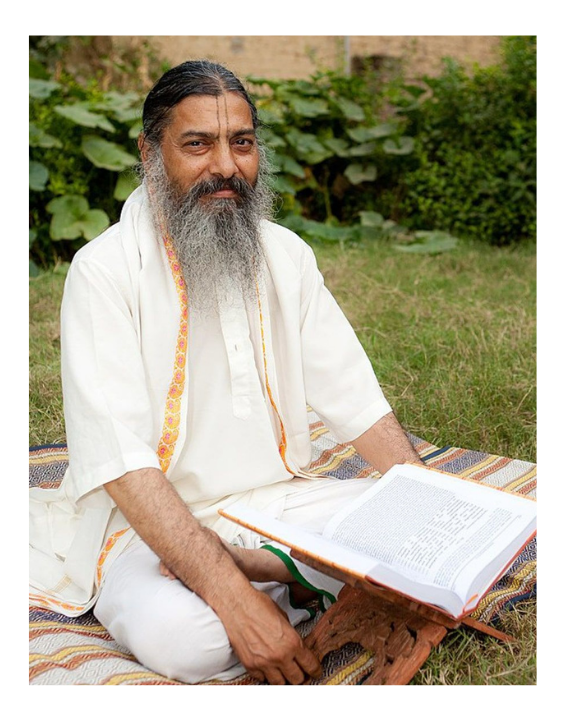
Founder
Satyanarayana Dasa Babaji
Dr. Satyanarayana Dasa “Babaji” is the visionary founder of the Vedic Psychology Institute, renowned for his deep knowledge of Vedic principles and his commitment to helping individuals discover their true selves. He is a guru and a practitioner of Bhakti Yoga.
Guru Lineage
An unbroken chain in which knowledge flows from guru to disciple - going back hundreds of years.
An important aspect of classical Vedic traditions is the disciplic succession of teacher and student known as parampara. Valid knowledge of the Absolute is only possible through the teachings of a qualified teacher (guru) transmitted to the student (disciple). Formal initiation (diksha) occurs through a ceremony, including the passing down of a mantra. An authentic line of succession is unbroken - its lineage traceable to the original source.
Babaji belongs to the Gaudiya line founded by Chaitanya Mahaprabhu in 16th-century Bengal - the Brahma-Madhva-Gaudiya sampradaya.
Background & Education
- Ph.D., Dr. B. R. Ambedkar University, Agra - ‘An Analysis of Bhakti Sandarbha’ (2002)
- M.A. Sanskrit (1996)
- M.Tech, Industrial Engineering - IIT Delhi (1978)
- B.Tech, Mechanical Engineering - IIT Delhi (1976)
- L.L.B., Indian Law - BSA College, Mathura (2000)
Awards
- Outstanding Contribution Award for National Development - IIT Delhi Alumni Association, 2001–2002
- Tattva-sandarbha of Jiva Gosvami released by Dr. Shankar Dayal Sharma, President of India (1994)
- Hakim Ajmal Khan Global Award for Organizational and Social Vedic Services (2006)
- Sahitya Sammana awarded by President Pranab Mukherjee for spreading Vedic culture through literature
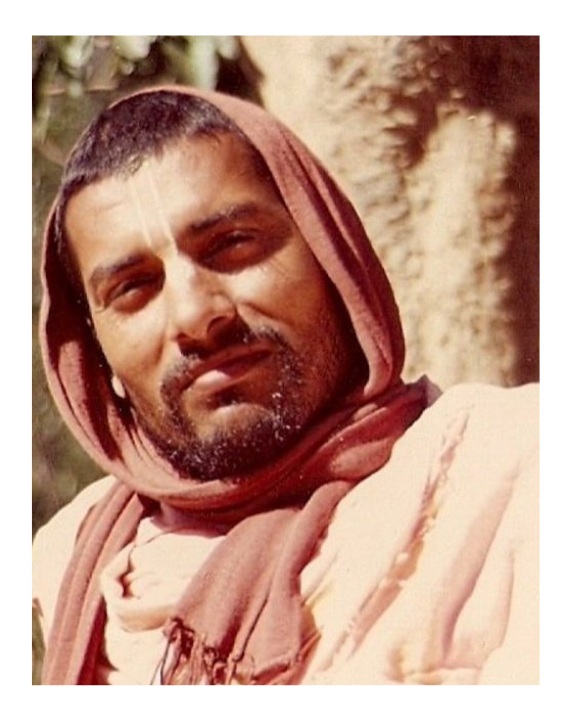
Babaji's Story
“From my childhood, I have been fascinated by the Indian scriptural stories in which I learned about great personalities that captivated and inspired me. As an adult, I realized that these stories that were packed with precious gems about the psychology of the human mind were not only for Indians.”
The Tradition
Since time immemorial, the most exceptional teachers of Indian culture have used storytelling to teach.
Storytelling is a brilliant way to get the message across to someone without bruising their ego. For no one likes it when a mistake, character flaw, inadequacy, or stupidity is pointed out directly.
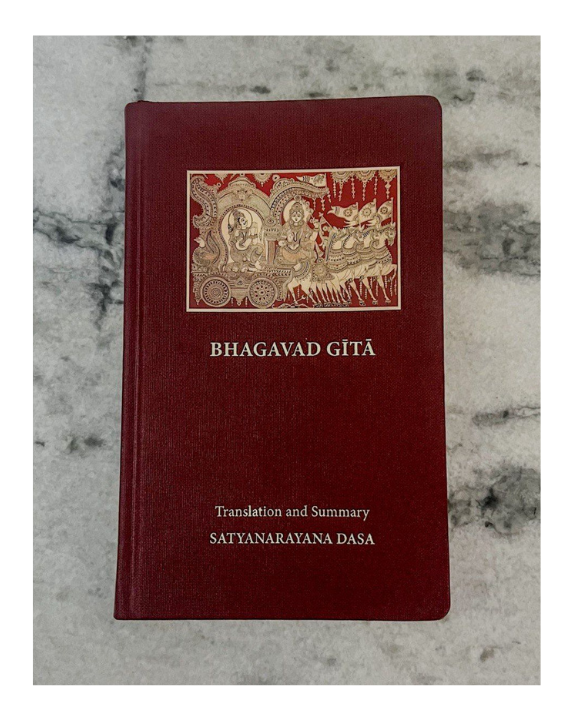
Book
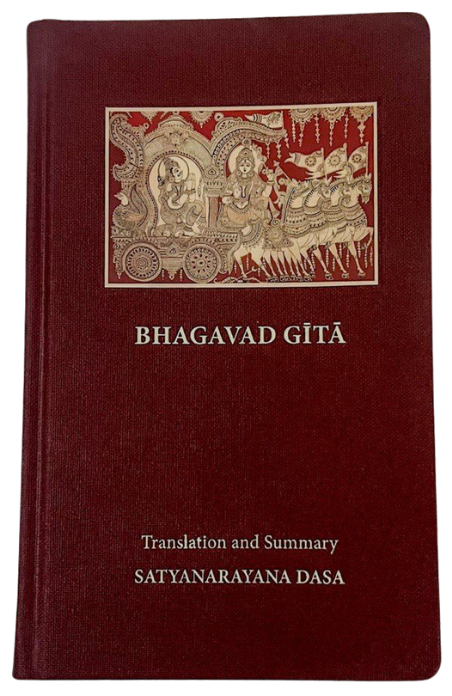
The Bhagavad Gita
One of my favorite stories is about the world’s first psychologist — long before “psychologist” was a job title.
In the Bhagavad Gita, Sri Krishna teaches Arjuna about the psychology of the human mind — about his own mind. Krishna teaches Arjuna about his current state, why he is suffering, and what he must do to break free.
The Bhagavad Gita was written in Sanskrit; Babaji translated it into English along with his commentary on the underlying meaning of Sri Krishna’s words.
Book
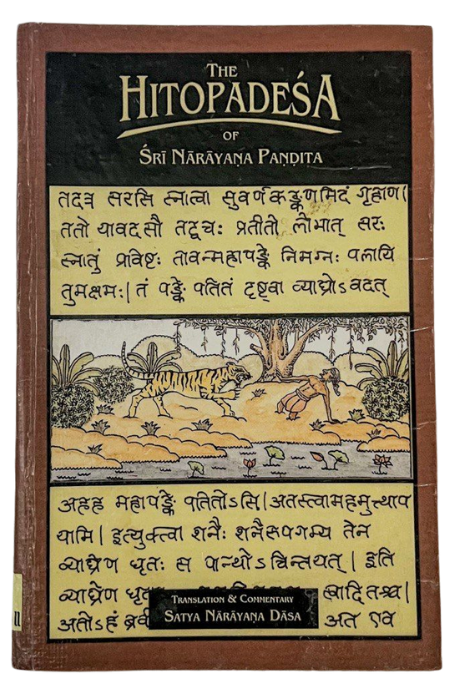
The Hitopadesha
The Hitopadesha is the first book Babaji wrote and published — in 1992.
Over 800 years ago a frustrated king didn’t know what to do about his four spoiled, misbehaving sons. The king hired a sage to teach the princes how to behave — and that is how the Hitopadesha came about.
It is an ancient Indian collection of stories that teach children the philosophy of life — from friendship to dealing with enemies wisely. Babaji translated six of these stories into English, with analysis for the modern-day reader.

The Crossing of Two Paths
India, January 2015
In January 2015, Jessica met Babaji for the first time in India. Babaji immediately introduced her to the concepts of Vedic Psychology by giving her a huge pile of his meticulous notes on the subject.
By the following week, she was back in Florida teaching her pediatric psychotherapy patients those Vedic Psychology concepts — through the Hitopadesha stories.
Vedic Psychologist
Dr. Joshi
Dr. Joshi is a prominent figure in the field of Vedic Psychology, with a wealth of knowledge and experience in understanding and teaching others about the inner workings of their mind. Deeply influenced by her studies under her guru, Babaji, she is dedicated to helping others discover the eternal truths about the mind, its characteristics, and how to manage it — to feel peaceful and happy no matter the situation.
Spiritual Name
Joshika — "one who loves to do service."
A spiritual name is given to a student by a guru when the student takes formal initiation to study under him. Babaji gave Jessica her spiritual name, Joshika.
Background & Education
- Walden University — PhD in Psychology (2023)
- ISFTA — Certified Essential Oil Coach (2019)
- Jiva Institute — Vedic Psychology Coach certification (2015)
- Walden University — Masters in Mental Health Counseling (2013)
- Yoga Point — Yoga Teacher Training certification (2007)
- Kripalu School of Ayurveda — Ayurvedic Consultant (2006)
- Cornell University — Masters of Management in Business (2000)
- UC Davis — B.S. in Human Development (1995)
"My specialty is holding people's hearts with compassion while helping them make sense of their inner world. As they feel truly seen and understood, confusion gives way to clarity, suffering gives way to peace, and they learn to become their own wisest guide."

Her Story
“If love is painful, then it is not love.”
From my earliest years of life, I loved to hear stories. My father used to read me stories every day. As an adult, I had my own painful story to tell — one in which I was searching for love in all the wrong places, from one emotionally unavailable relationship to another. The one thing I had learned was that love was just painful.
That was until I met my teacher, Babaji, who taught me what true love is. He casually lobbed up a simple, yet profound statement that shook me to the core. Babaji explained that my first problem was that I didn’t even know what love was — so of course I was looking for it in all the wrong places.

I have been teaching my clients about these ancient stories and the pearls of Vedic wisdom - how to understand our own mind and how to have happier, more fulfilling relationships, starting with the loving, compassionate relationship we have with our very own self.
Join a Vedic Psychology Group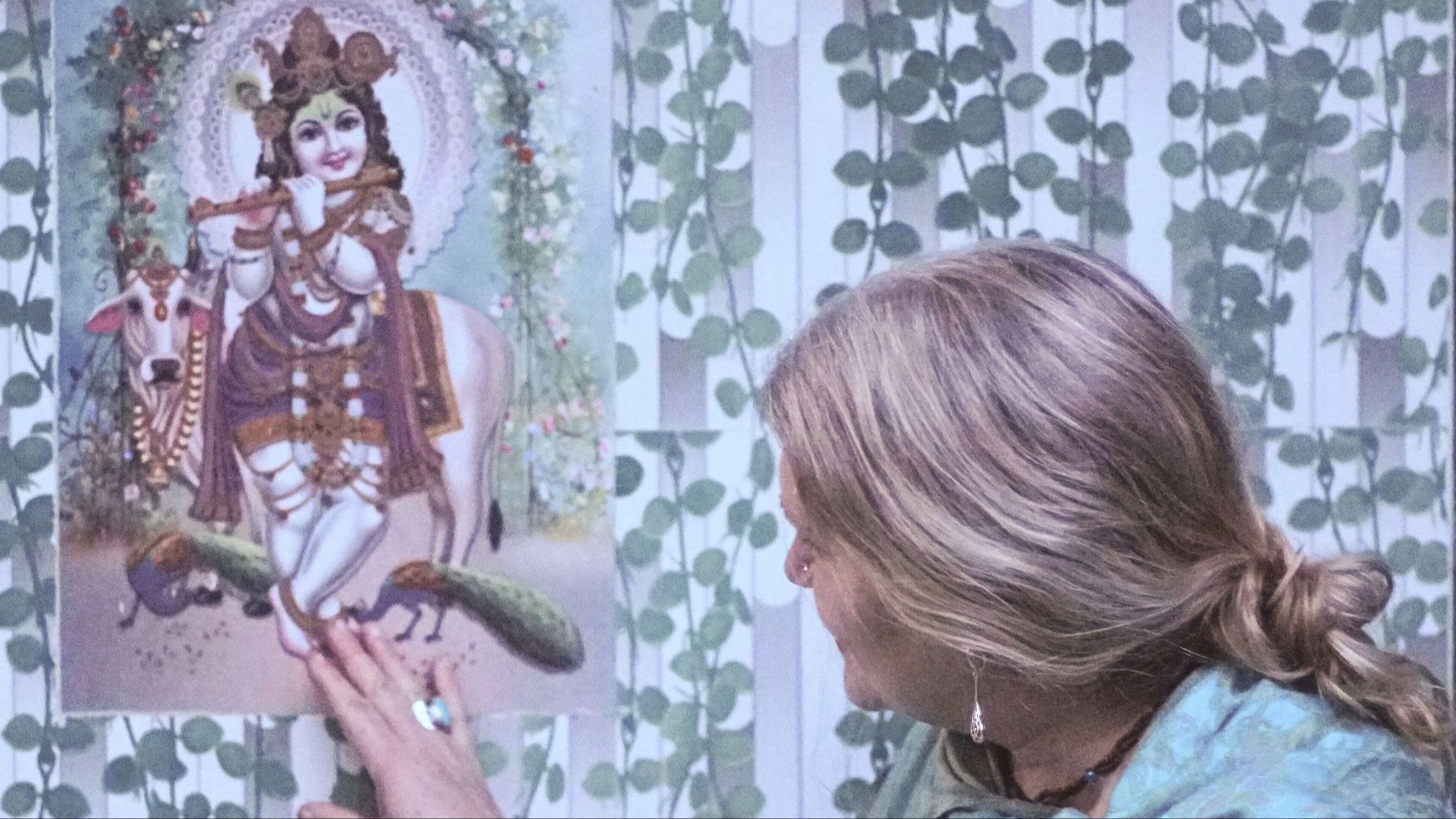
Continue the Journey
Bhakti for Beginners
The journey of Bhakti starts with simple acts of interest — to learn about love and devotion to Krishna. Reading books, listening to sacred stories, and asking questions are some entry points.
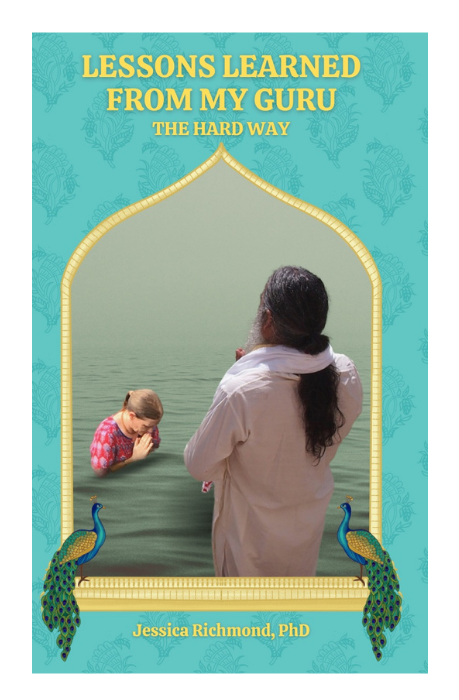
Dr. Joshi and Babaji's Book
Lessons Learned From My Guru the Hard Way
Vedic Psychologist Jessica Richmond, PhD shares personal stories from life on the road traveling and teaching with her guru, Satyanarayana Dasa Babaji. Her stories are riddled with humor as she navigates the mysterious ways Babaji teaches her these lessons.
Listen to the Book