SEVAKA - सेवक
The Pleaser

The Sevaka personality finds joy in supporting others and contributing to their success, thriving in roles of service and teamwork. They value obedience and flourish under the guidance of trusted leaders. Though deeply devoted to making others happy, they sometimes prioritize others’ needs over their own, reflecting their selfless and compassionate nature.
SEVAKA | Supporters Group
The Supporters derive happiness from performing service to others. They add value by performing laborious tasks to contribute to the livelihood of humans. They tend to be introverts.
Learn More

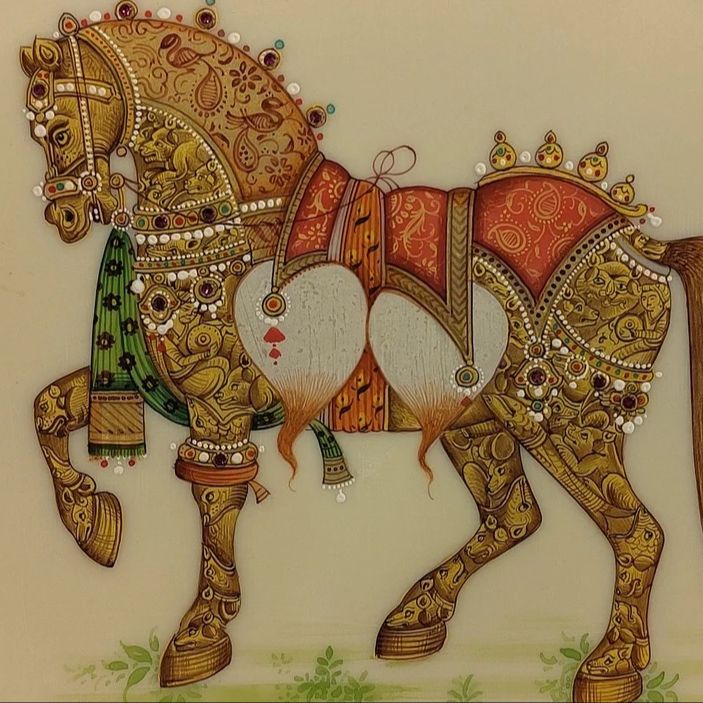
The Horse
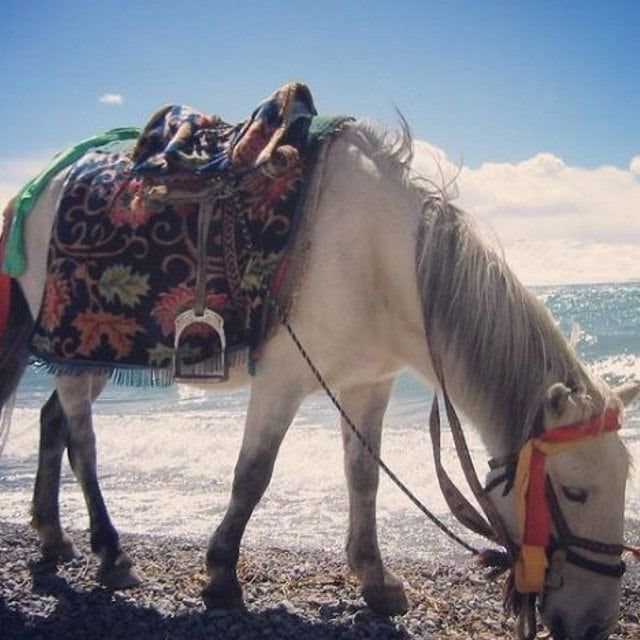
Sevaka's are represented by the Bhutia Horse, a small sturdy pony, found in the Himalayan regions of Nepal because like a horse, they are loyal, obedient and wired for people-pleasing.
Loyal
Sevaka's find fulfillment in helping others succeed, standing as reliable companions who thrive in teamwork and collective effort. They take pride in their role as steadfast supporters, always willing to contribute their strength for the greater good.
Obedient
Sevaka's are not leaders, they are followers and therefore they value guidance and structure, preferring to follow a respected leader rather than act independently. Their willingness to follow direction makes them dependable and disciplined, thriving in environments where they feel safe and guided.
People-Pleasing
Sevaka's deep desire to make others happy can sometimes lead to neglecting their own needs and boundaries. While they bring warmth and dedication, they may struggle with asserting themselves, often putting others' well-being before their own.
Sanskrit Meaning
The Sanskrit word Sevaka (सेवक) is derived from the root verb sev (सेव) and the suffix nvula replaced by -aka.
- The root meaning सेव (Seva) comes from the Sanskrit root sev (सेव), which means "to serve, to attend, to honor, or to be devoted to." It implies selfless service, dedication, and care in various contexts, including social, spiritual, and personal service.
- The suffix -aka (क) is often used to indicate "one who performs an action" or "one engaged in a particular activity." When added to seva (सेव), it forms sevaka (सेवक), meaning "one who serves" or "a servant/devotee."
Full Meaning of Sevaka (सेवक)
"One who serves, attends, or is devoted to a duty, person, or cause."
It can refer to: A servant or attendant who performs duties for others. A devotee who serves a guru, deity, or higher purpose with sincerity. A selfless helper who engages in acts of kindness and service without seeking personal gain.
Sevaka’s Superpowers
The Sevaka personality is a radiant force of devotion, dedication, and unwavering support, embodying the true spirit of selfless service. They are the backbone of every great endeavor, finding pure joy in uplifting others and contributing to their success.
Their ability to work in harmony, thrive in teamwork, and bring structure to chaos makes them indispensable in any setting. With an innate sense of trust and obedience, they flourish under wise leadership, transforming guidance into action with precision and grace.
Their heart overflows with compassion, willing to go to great lengths to ensure the well-being of those they serve. While they may sometimes place others’ needs above their own, this only speaks to their rare, golden-hearted nature—one that shines with unwavering kindness, loyalty, and an unbreakable spirit of service.
The Sevaka is not just a helper; they are the silent strength that holds everything together.
Sevaka's in Different States of Mind
The Sevaka type belongs to the category of Supporters, who are typically in a tamasic (passive) state of mind. However, the human mind naturally shifts between the three gunas: sattva, rajas, and tamas. See how the Sevaka's mind manifests in each of these states.
Sattva
Peaceful. Clear.
They serve with pure devotion and selflessness, finding joy in uplifting others without seeking personal gain. Their service is guided by wisdom and compassion, ensuring that their actions align with a higher purpose. They maintain healthy boundaries, recognizing that true service does not mean self-sacrifice but rather acting with discernment and love.
Rajas
Passionate. Active.
They serve with ambition and a desire for recognition, often seeking validation or approval for their efforts. They may work tirelessly but can become overextended, competitive, or attached to the outcome of their service. Their motivation is driven by pride, duty, or a need to prove themselves, sometimes leading to burnout or frustration when they feel unappreciated.
Tamas
Passive. Confused.
They serve out of obligation, guilt, or fear, feeling trapped in their role without true enthusiasm. They may neglect their own well-being, allowing themselves to be exploited or manipulated, leading to resentment or exhaustion. Their service lacks clarity and purpose, often feeling burdensome rather than fulfilling.